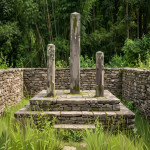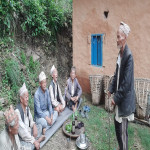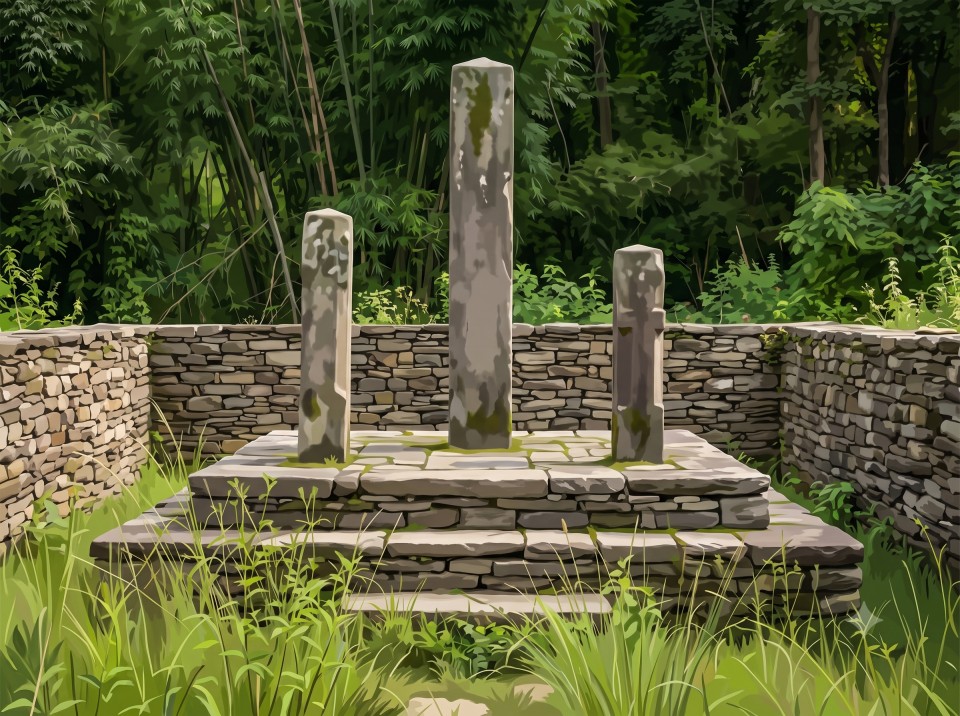
The unexplored knowledge of co-existential philosophy through the lens of Yakthung Mundhum. It talks of indigenous knowledge about nature and its understanding among the Yakthung. The belief and practices were imbibed with nature and personifying of nature by worshipping them in the form of various deities. The Yakthung rites and cultures represent nature and its surroundings. They preach the idea of preservation and ecological balance since the inception. The creation story/ Chaiit Mundhum talks about various species of plants and vegetation before the science, environmental studies and botany subject were introduced in a formal education. This blog also explores about unattended indigenous knowledge hidden in Yakthung Mundhum about environment and human civilization.
Earth is a dynamic planet which is constantly undergoing changes with growing time. All living beings on the Earth depend on the environment for their survival. Environment is our basic life support system. It is the reason why the understanding of the ‘Environment’ comes into the picture. The threat and degradation of our environment is linked with the development process and the ignorance of people about retaining the ecological balance. The increasing levels of global warming, the depletion of the ozone layer, climatic changes and a serious loss of biodiversity have also made everyone aware of the growing environmental concerns.
Our dependency on nature is so great that we cannot continue to live without protecting the earth’s environmental resources. It is a known fact that natural resources are limited. With the growing population of the world, the quantity of resources human consumes are depleting our natural resources. The earth cannot be expected to indefinitely sustain this expanding level of utilization of resources. Added to this is the risk of misuse of resources and mismanagement of waste materials. Unless the self-realization and individual effort to take responsibility in our daily lives nothing will change and it will further degrade. The indigenous knowledge about nature and its surroundings are underestimated or ignored.
Nature and the Indigenous Yakthung people
Human beings have been interested in ecology since the beginning of civilization. Every ancient scripture includes and explains the practices and values related to environmental conservation. For centuries, indigenous people have lived on their ancestral lands in the harmony of nature. In the culture, rituals, practices, and performances of Yakthung, humans are deeply connected with nature.
The Yakthung/Limbu, are one of the indigenous people in Sikkim, West Bengal, Assam, Bhutan, and Eastern Nepal. They have their distinct faith and belief system knowns as “Yuma Samyo.” Reciting Mundhum and performing rituals based on it, is the integral part of Yakthung/Limbu tradition. Most of the divinities are personification of nature. They worship nature such as spring waters, trees, plants, mountains, fire, moon, sun, wind, etc. they believe every object of nature has a soul. Yuma Samyo preaches about the ecological balance with nature.
Yakthung Mundhum explains the concept ecology and ecological balance. It shows the relationship between humans and their physical environment. It seeks to understand the connections between plants and animals and the world around them. It teaches the co-existential relationship to be maintained between humans and nature. It is close to nature and environment because all the rituals are based on nature worshipping. All the required essentials for rituals are collected from the nature itself such as bamboo sticks, banana leaves, different species of plants and flowers, water, various leaves from trees, stones, grass, etc. which is easily available. There is no use of plastics or any material which is harmful to our environment. In today’s world, it has become important to balance our ecosystem due to materialistic mentality and global warming heat.
It is not just the flora and fauna alone that is under the threat of extinction but dispossession of their customary rights over land has also put their survival at risk. Many tribals around the world are in the verge of extinction due to threat from the modernization and western cultures. They have been compelled to give up their traditional lifestyle, resulting in a rapidly diminishing indigenous population.
Yakthung Mundhum and understanding our nature
Yakthung Mundhum is also a study of Botany. It holds knowledge of many species of plants, trees, flowers, and vegetation. One such example is “Phungwa Chama Mundhum.” It is a story of sibling’s enviousness where a brother collects varieties of flowers for good and bad deeds. The numbers of flowers he collected shows the names of ancient flowers. It is a botanical knowledge for science discipline. Yakthung Chaiit Mundhum also talks about the creation of universe, birds and animals and plants and vegetations. It has incidents were mention of sowing seeds are described. For example, “the first seed sprouted from Porokmi Yambami’s tear were stinging nettle (sisnu).” The Chaiit Mundhum mentions of Bermuda/Crab grass (Dubo) to tighten the loose soil while creating the earth. In the Lahadongna-Sohampheba Mundhum, the first token of love, “Amla Pettari” presented to Soham Pheba by Lahadongma was made from the plants. In Mujingna Kheyongna Mundhum, it says almighty Tagera Ningwaphuma taught Mujingna Kheyongna to weave clothes in handloom and threads for the weaving were made from the different wild plants available in the jungle. Yakthung/Limbu celebrates festivals such as Chasok Tongnam, Sesekpa Tongnam and Yokwa Tongnam to offer their newly harvested food grains and other edibles items and to extend their gratitude to the almighty Yuma Mang and other household divinities for the immense blessings and protecting them from famines and famishment. Hence, all the above examples and practices from Yakthung Mundhum well explains their bonding with nature and its surroundings. It shows the theory of co-existential philosophy between the Yakthung and the nature.
Yaklthung peli-phangsams (Limbu shamans) carries indigenous knowledge regarding medicinal plants and herbs. Before the advent of medical sciences and hospitals, people were cured and healed by traditional knowledge in many villages until recent times. Elders and grandparents know such traditional and indigenous knowledge about seasons, weather, birds, animals, herbs, and plants. They can easily differentiate between poisonous and non- poisonous wild mushrooms, edible and non-edible plants, and home remedies for minor sicknesses. These are all knowledge gained from nature. Respecting nature and preserving it is important in Yakthung community. All their traditions are based on these values. They believe humans and nature play equal role in building this universe. As per Yakthung Mundhum, the first ancestor of Yakthung/Limbu people originated from the caves and mountains and the spirit of their ancestors reside in entire nature. Such belief establishes a firm co-existential relationship between humans and the nature.
Social Consciousness and our Ecosystem
The need for sustainable development is a key to the future of mankind. Environmental management, managing environmental hazards for prevention of possible disaster has become an urgent need. There is a need for more social consciousness regarding our environmental issues and degradation of natural resources. The destruction of habitats, overuse of energy resources and environmental pollution is a threat for life on earth. It is duty and responsibility of everyone to protect nature.
It is great to see new concepts of sustainable development, recycling, eco-friendly materials, organic vegetables, eco-poetry, and writings in literary fields to grow consciousness, and many environmental issues discussion on global level. However, even the developed world has begun to realize that their lives were being seriously affected by the environmental consequences of development based on economic growth alone. Environmental education is important to develop the social consciousness. These should be based on ethical issues. It is not only to create only an awareness of environmental issues, but also to bring about pro-environmental action. Creating a love for nature brings about strong pro-environmental action. The environmental education should be based on valuing nature and appreciating the beauty of nature and treasuring the magnificence of the wilderness.
In today’s world where many of us are less concerned or bothered by the issues related to environment and nature, we need to remind ourselves that everything we use and survived has come from nature. We depend on nature’s goods and services. Bringing back an ethic for nature conservation requires environment education and conservation awareness. The knowledge and lifestyle of indigenous should be taken as an example by the modernized society who preach the idea of sustainable development and environmental concerns. The indigenous life is always intervened with nature, in tune and in co-existence between nature and humans. It is time to acknowledge, learn and understanding the indigenous way of living.
Sources:
1. Singzango Subba, Sandhya, (2022), Chaiit Mundhum, Mundhum of Creation.
2. Singzango Subba, Sandhya (2023), Yakthung Civilization, Imbiri Yangthangwa Pumma, a collection of articles, published by Sukhim Pungwa Yuma Samyo Society, Registration No. 3208, vol.no 1.
3. Textbook of Environmental Studies for undergraduate courses, second edition, University Grants Commission, 2013.
4. Kainla, Bairagi (2014), Mujingna Kheyongna Mundhum, Limbu sahitya ra Sankrit Utthan Tatha Prakashan Samaj, Kathmandu.
5. Kainla, Bairagi (2014), Lahadongna-Suhampheba Mundhum, Limbu sahitya ra Sankrit Utthan Tatha Prakashan Samaj, Kathmandu.